
Home » Dental Services » Restorative Dentistry » Dental Crown
Dental Crown in Columbia, SC
Why should I choose dental crowns?
Do you have a cracked, worn, or deeply decayed tooth that makes you wince when you chew? Maybe you’ve had a root canal and need to protect what’s left of the tooth, or you have an old filling that’s breaking down. A custom dental crown can help.
At Carolina Dentistry in Columbia, SC, Dr. Natalia Antley uses dental crowns to help patients chew comfortably, reduce tooth pain, and feel confident when they smile. Crowns are restorative dentistry treatments made to fit your tooth and bite, so they look natural and feel secure. We’ve served the Columbia community since 1986. If you need to treat tooth damage or wear, you’re in experienced hands.
What Is a Dental Crown?
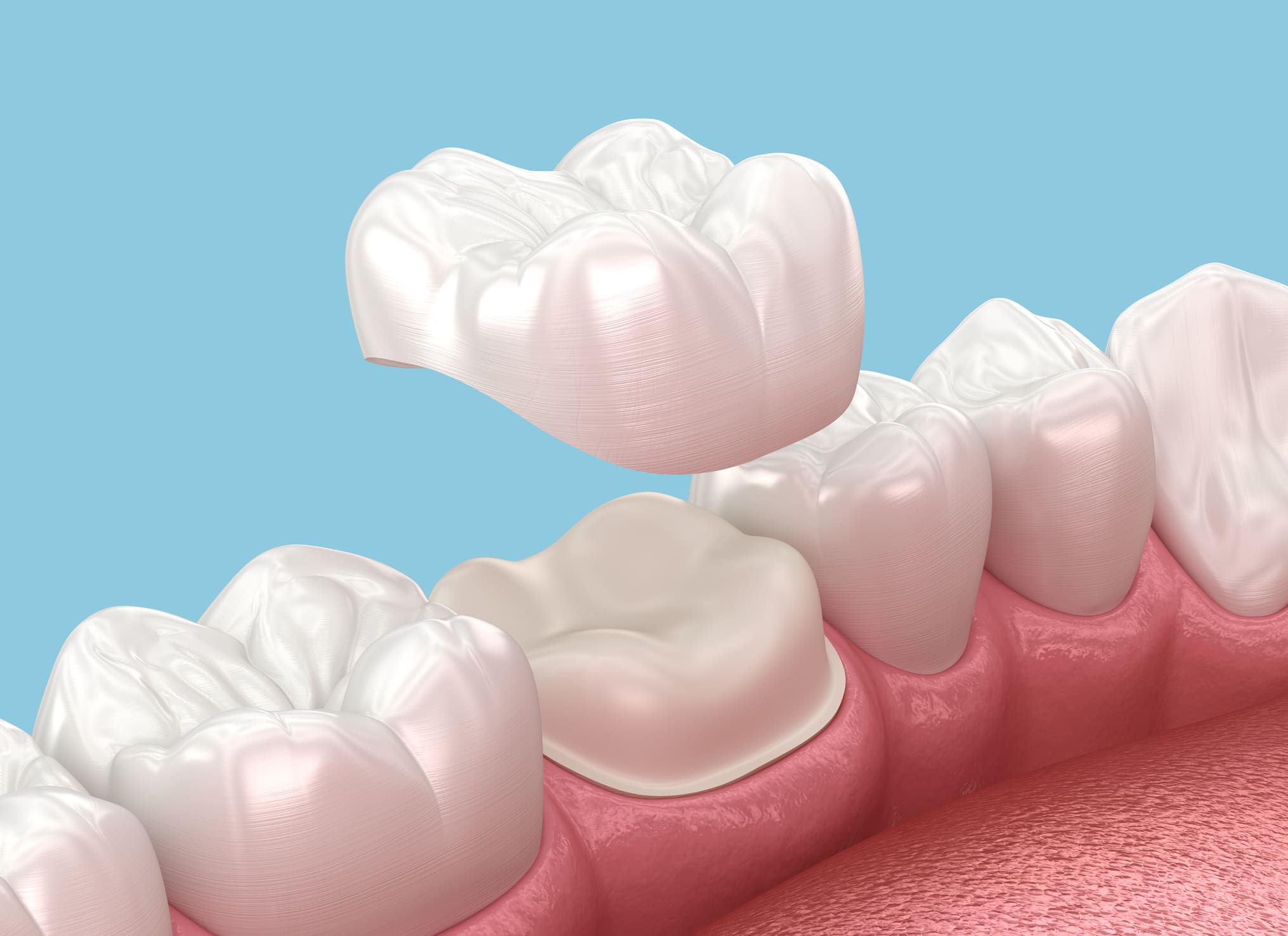
A dental crown is a custom-made cap that goes over the visible part of a tooth, right down to the gum line. It helps hold the tooth together and protects it from more damage. A crown can be placed on a natural tooth, on top of a tooth that had a root canal, or on one or more dental implants.
Crowns are designed to match your bite and blend in with your other teeth. Once a tooth crown is in place, it can make a weak tooth stronger and help you bite and chew more comfortably. It can also reshape a tooth and improve the color or overall appearance if needed.
Intraoral Scanner = Mess-Free Treatment
You can say goodbye to goopy impressions thanks to our 3-D Intraoral Scanner. We use this tool to capture images and create models of your teeth. It’s a fully digital process with no putty necessary.
When Does My Tooth Need a Crown?
You may need a dental crown when a tooth is too damaged to be fixed with a simple filling. This can happen if a tooth is cracked, has a large cavity, or has old fillings that have broken down over time. Our office also recommends a crown after a root canal because the tooth can become more brittle and easier to break.
Some patients need crowns when teeth are very worn down from grinding or clenching, or when a tooth is chipped in a way that affects the bite. Crowns may also be used to cover a tooth that is misshaped, heavily stained, or uneven, helping create a more balanced and natural-looking smile.
What are the Benefits of Dental Crowns?
Dental crowns do more than just cover a tooth. They help protect the tooth from further cracking or decay, especially when the tooth is already weak. Crowns can restore strength so you can chew without pain or worry. They can also improve your bite, if you have worn or uneven teeth, which may reduce stress on nearby teeth and jaws.
Another major benefit is appearance. A well-made crown can look very natural, helping a tooth blend in with the rest of your smile. With good brushing, flossing, and regular dental visits, crowns can last for many years.
Types Of Dental Crowns
You can choose from several types of dental crowns. The best choice depends on where the tooth is located, how much force it handles, and your smile goals.
Porcelain or ceramic crowns are popular because they look very natural and can closely match the color of nearby teeth. They are often used for front teeth or visible areas of the smile.
Porcelain-fused-to-metal (PFM) crowns combine a strong metal base with a tooth-colored outer layer. They can be a good option when you need both strength and a natural look, especially for back teeth.
Metal crowns (such as gold or other alloys) are very durable and resist chipping. They are commonly used on molars where chewing force is strongest, though they are more noticeable.
Zirconia crowns are a strong, modern option that can also look very natural. Many patients like zirconia because it offers both durability and good appearance.

What to Expect During the Dental Crown Procedure
The dental crown process in our Columbia, SC, dental office usually takes more than one visit, though timing can vary based on your needs.
Your Consultation
First, you’ll have a consultation with Dr. Natalia Antley at Carolina Dentistry. She will examine your tooth, talk about your symptoms, and may take X-rays to check the root and bone. If there is decay or infection, that will be treated before the crown is made. The goal is to make sure the tooth is healthy enough to support a crown.
Tooth Preparation
Next, the tooth is prepared. This means the tooth is shaped so the crown can fit over it properly. If a large portion of the tooth is missing, we may need to build it up first so the crown has a solid base. Then Dr. Antley uses her intraoral scanner to take impressions of your tooth and bite. These details help our local dental lab create a crown that fits comfortably and looks natural.
Temporary Crown
While your final crown is being made by ceramicists, you will usually wear a temporary crown. This protects the tooth and helps you chew more comfortably between visits. You’ll receive simple care instructions, such as avoiding very sticky foods and being gentle around the temporary crown when you floss.
Final Placement
At the placement visit, Dr. Antley will remove the temporary crown and check the fit and color of the final crown. She’ll make sure your bite feels right and that the crown sits properly along the gumline. Once everything looks and feels correct, she bonds the crown into place. After placement, your tooth should feel stronger, and you should be able to bite and chew with more confidence.
Dental Crown
Can I eat normally with a dental crown?
Yes. Once your permanent crown is placed, you can eat everything you ate before, with one exception: avoid biting down on very hard objects like ice, hard candy, and unpopped popcorn kernels. Those can chip a crown just like they chip natural teeth.
Are dental crowns covered by insurance?
How do I care for my dental crown?
Caring for your dental crown is simple and similar to caring for your natural teeth. Implementing a routine of brushing for at least two minutes twice daily and flossing at least once keeps your crown clean. Regular dental visits every six months and avoiding consumption of excessively hard or sticky foods can also aid in preserving the longevity of your dental crown.
Caring for your dental crown is simple and similar to caring for your natural teeth. Implementing a routine of brushing for at least two minutes twice daily and flossing at least once keeps your crown clean. Regular dental visits every six months and avoiding consumption of excessively hard or sticky foods can also aid in preserving the longevity of your dental crown.
How do I know if I need a dental crown?
If you are experiencing pain, discomfort, or have visible damage or discoloration in your teeth due to decay or trauma, you may be a candidate for a dental crown. It’s always necessary to consult with your dentist to see if a crown can help address your oral health concerns.
What happens if I damage my crown or it comes off?
Call our office right away. Don’t try to reattach it yourself, and don’t ignore it, because the exposed tooth can decay or break. In most cases, Dr. Antley can re-cement the crown or make a new one that matches your other teeth.
How long do dental crowns last?
When crafted and placed correctly, dental crowns have the potential to last up to 15 years. Maintaining good oral hygiene habits, such as brushing your teeth twice daily and flossing once daily, along with regular dental check-ups and cleanings every 6 months, can contribute to the longevity of your crown.
Request a Dental Crown Consultation Today
If you have a cracked tooth, pain when chewing, or need implants or missing teeth, a dental crown may be the right solution. Contact Carolina Dentistry in Columbia, SC, at (803) 500-4146 to schedule your visit with Dr. Natalia Antley. Request your appointment today and let us help you protect your tooth and restore a healthy, comfortable smile.