
Address:
2329 Devine St, Suite 2 Columbia, SC 29205

New Patients: (803) 500-4146

Established Patients: (803) 799-3368

Hablamos Español!

Repairing Small Imperfections

Small chips, rough edges, gaps, and stains can make you feel like you need to hide your smile. Dental bonding is a simple cosmetic dental treatment that can help your teeth look smoother, brighter, and more even—often in just one visit. At Carolina Dentistry in Columbia, SC, Dr. Natalia Antley uses tooth-colored bonding material to improve the look of your teeth while keeping the process gentle and conservative.

Repairing Small Imperfections

Small chips, rough edges, gaps, and stains can make you feel like you need to hide your smile. Dental bonding is a simple cosmetic dental treatment that can help your teeth look smoother, brighter, and more even—often in just one visit. At Carolina Dentistry in Columbia, SC, Dr. Natalia Antley uses tooth-colored bonding material to improve the look of your teeth while keeping the process gentle and conservative.

What Is Dental Bonding?

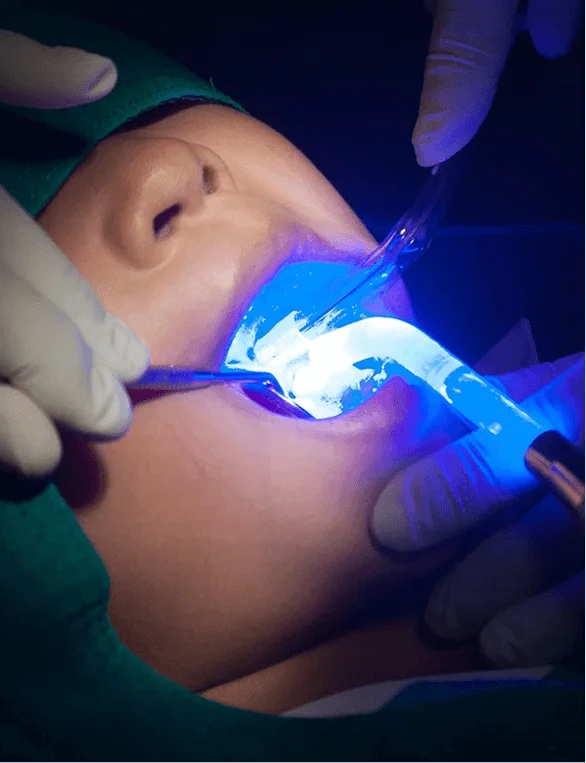
Dental bonding is a treatment where a dentist places a tooth-colored resin material on a tooth and shapes it to improve how the tooth looks and, in some cases, how it functions. The material is carefully matched to the color of your natural teeth, then hardened with a special curing light. Once it is set, it becomes firm and can be polished so it blends in with the rest of your smile.

Bonding is often chosen because it is a conservative option. In many cases, it needs little to no removal of natural tooth structure. That makes it a popular choice for patients who want a noticeable cosmetic improvement without a more involved procedure.

What Does Dental Bonding Treat?

Dental bonding can help with both cosmetic concerns and minor tooth damage. It is commonly used for treating damaged teeth, such as teeth with small chips, worn edges, or minor cracks. Bonding can rebuild the missing area so the tooth looks whole again and feels smoother when you bite or run your tongue across it.

Bonding also has many cosmetic uses. It can improve teeth that look uneven, slightly misshaped, or too short compared to nearby teeth. If you have small gaps between teeth, bonding may help make the space look smaller by adding material to one or both teeth. It can also help cover certain types of stains or discoloration that do not respond well to whitening, especially when the color change is deep or uneven. In some cases, bonding can even be used to protect an exposed root surface if gum tissue has receded, which may help reduce sensitivity.
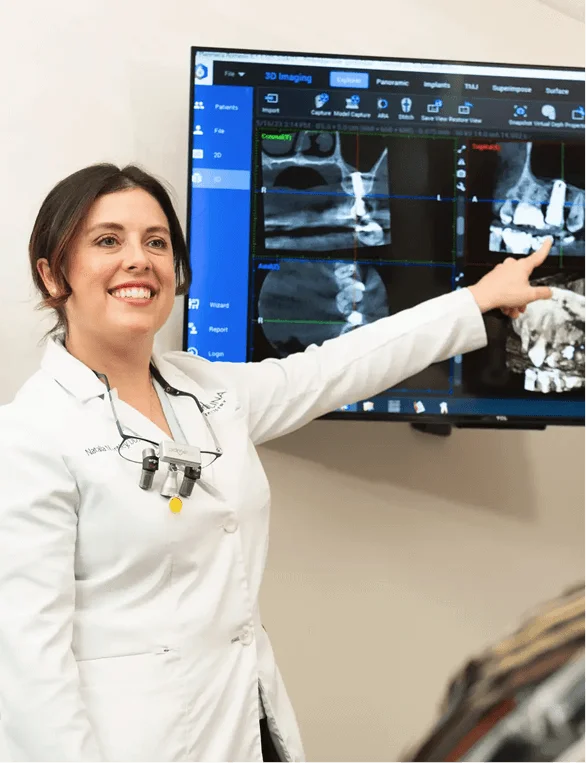
The best way to know if bonding is right for your goals is a quick exam with Dr. Antley, since the ideal treatment depends on your bite, the location of the tooth, and how much change you want.
Dental Bonding Columbia SC

What to Expect During the Procedure

Dental bonding is usually completed in a single appointment, and most patients find it very comfortable. First, Dr. Antley will talk with you about what you want to improve and evaluate the tooth (or teeth) being treated. Shade selection is an important step, so the bonding material blends naturally with your smile.

Next, the tooth surface is gently prepared so the bonding material can attach securely. This typically includes light conditioning of the enamel and placing a bonding agent. The tooth-colored resin is then applied in layers, shaped carefully, and smoothed to create the right look. Dr. Antley will adjust the shape so it matches the natural curve and edge of your tooth, and so it fits comfortably with your bite.
After the resin is shaped, a curing light is used to harden it. Once it is set, the bonded area is polished so it looks glossy and natural—similar to the finish of enamel. Before you leave, Dr. Antley will check your bite again and make any final small adjustments for comfort. In many cases, little or no numbing is needed unless the bonding is being used to repair an area close to a sensitive part of the tooth.

Benefits of Dental Bonding

Dental bonding offers several strong benefits for patients who want a refreshed smile without a long or complex process. One of the biggest advantages is that it can deliver a clear cosmetic improvement quickly, often in one visit. This makes it a good choice if you have an upcoming event or simply want to improve your smile sooner.

Bonding is also conservative, meaning it usually keeps more of your natural tooth intact compared to some other cosmetic options. It is a versatile treatment that can address several concerns at once, like a chip plus uneven shape, or discoloration plus a small gap. When done well, bonding can look very natural and blend in with nearby teeth.

Another benefit is comfort. The procedure is typically gentle, and there is little recovery time. You can usually return to your normal day right after your appointment. With good home care and regular dental checkups, bonding can last for years, though it may need touch-ups over time depending on where it is placed and your habits.
FAQ

About Dental Bonding

How long does dental bonding last?
Bonding can last several years, but the lifespan depends on the tooth location, your bite, and habits like nail biting or chewing ice. Dr. Antley can give you a better estimate based on your specific case.
Bonding material can stain over time, especially with frequent coffee, tea, red wine, or tobacco use. Good brushing habits and regular cleanings can help, and polishing may improve the look if staining occurs.
They can use similar materials, but bonding is often done mainly for cosmetic improvement, while fillings are placed to repair tooth decay. Sometimes the terms overlap, but the goals are not always the same.

Request Your Appointment

If you are ready to smooth out chips, improve tooth shape, or refresh the look of your smile, dental bonding at Carolina Dentistry in Columbia, SC may be a great fit. Call Carolina Dentistry at (803) 500-4146 to request your appointment with Dr. Natalia Antley, and let’s talk about what you would like to change and the simplest way to get there.