
Home » Dental Services » Restorative Dentistry » Dental Bridge
Dental Bridge in Columbia, SC
Why should I get a dental bridge?
If you are missing one or more teeth, a dental bridge can restore your smile, your confidence, and your ability to eat and speak comfortably. This restorative dentistry treatment uses a prosthetic to restore your bite and confidence in your smile.
At Carolina Dentistry, we have been serving Columbia families since 1986. Dr. Natalia Antley carries on this legacy of trust, providing expert dental bridges with a gentle, no-judgment touch. She combines advanced training, including a Master Graduate of the Aesthetic Advantage Cosmetic Dentistry Curriculum and a current Dawson Academy residency, with a compassionate approach that makes even nervous patients feel at ease.
What Are Dental Bridges?
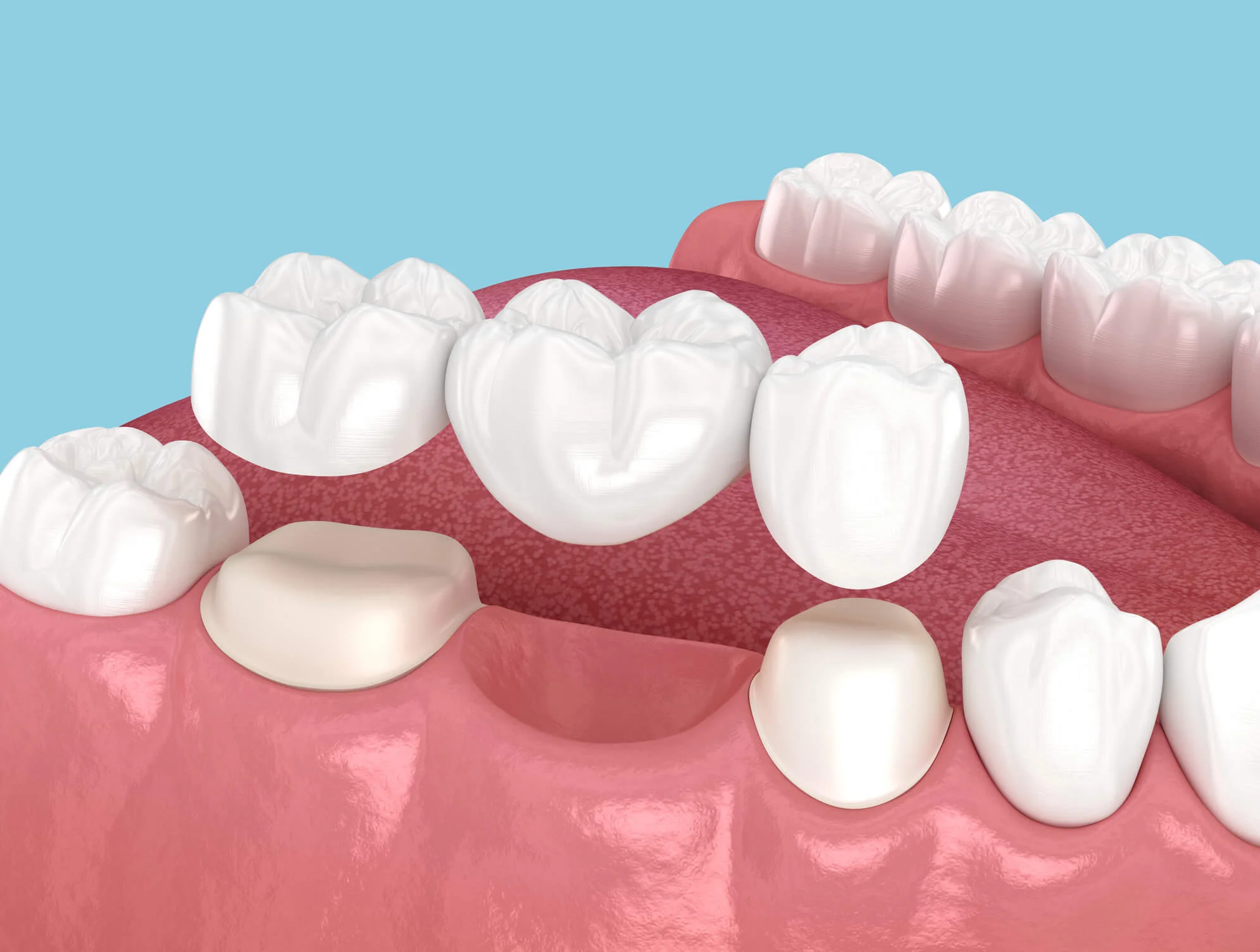
A dental bridge is a fixed dental restoration that “bridges” the space left by a missing tooth. The prosthetic is held in place by the teeth next to the gap or by dental implants, depending on the type of bridge used. Then the replacement tooth (called a pontic) is shaped and shaded to match your smile, so it looks natural when you talk or laugh.
Dental bridges fill gaps in your smile and keep nearby teeth from drifting out of position, which can lead to bite problems and extra wear. Tooth bridges also help support your facial shape and make chewing feel more normal again. Because a bridge is fixed in place, it does not come in and out like a removable partial denture, which many patients find more comfortable and convenient.
Dental Bridges vs. Dental Implants
A dental implant replaces the missing tooth root with a small titanium post that is placed in the jawbone. An implant can support a dental crown on its own, without involving neighboring teeth. Implants can be an excellent choice for long-term stability and bone support. We may recommend a single implant instead of a bridge, or we can support a bridge for multiple missing teeth with multiple implants.
Who Is a Good Candidate for a Dental Bridge?
You may be a good candidate for a dental bridge if you’re missing one or more teeth and wants a stable, non-removable option to restore your smile.
- Are in good oral health
- Don’t have gum disease
- Have healthy teeth surrounding the missing tooth gap
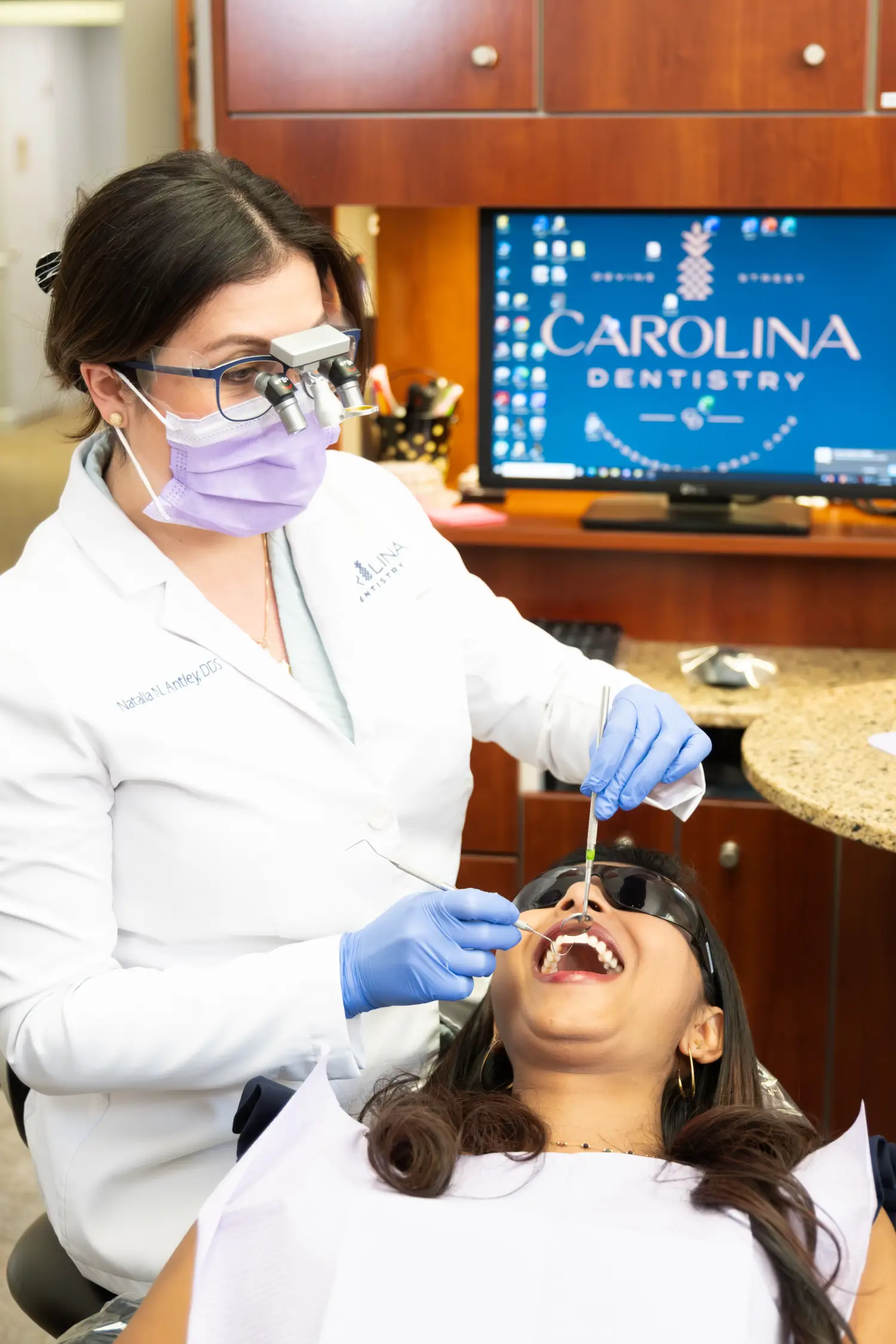
If you have difficulty chewing on one side, feel self-conscious about a visible gap, or notice teeth shifting into an open space, a bridge may be a great solution. During your visit at Carolina Dentistry, Dr. Natalia Antley will check your bite, gums, and tooth structure to confirm whether a bridge is the best choice or if another option would better fit your needs.
Benefits of Dental Bridges
Dental bridges offer a reliable mix of beauty and function. They can restore your ability to chew more evenly, which may reduce strain on other teeth. They also improve speech for some patients, especially when front teeth are missing. Another major benefit is stability. Because bridges are fixed, they feel secure during daily life.
A bridge can also protect your long-term oral health. When a tooth is missing, nearby teeth may tip or drift into the space. Over time, that can lead to bite changes, uneven wear, and a higher risk of cavities or gum problems in hard-to-clean areas. By replacing the missing tooth, a bridge helps keep your smile aligned and easier to maintain.
Some of the key benefits of choosing a dental bridge:
- Restored chewing ability: You can eat a wider variety of foods with confidence.
- Improved speech: Missing teeth, especially in the front, can affect how you speak. A bridge helps you talk clearly again.
- Prevents teeth from shifting: A bridge fills the gap and keeps your remaining teeth in their proper positions.
- Maintains your facial shape: Missing teeth can cause your face to look sunken. A bridge helps support your facial structure.
- Fixed and secure: Unlike removable dentures, a bridge stays in place and feels natural.
- Long-lasting results: With good care, a dental bridge can last 10 to 15 years or longer.
- Natural appearance: Bridges are custom-made to match the color and shape of your natural teeth.
Dental Bridge
How do dental bridges work?
While every type of bridge is different, dental bridges all share similar characteristics, and work in the same way. A bridge is used to attach one or more false teeth to your existing teeth – locking them into place by using dental crowns (fixed and cantilever bridges) or metal “wings” that attach to the rear of your teeth (Maryland bridges).
Can dental bridges be repaired or replaced?
Yes. We can repair or replace your dental bridge if needed. Bridges become damaged over time, or simply worn down from daily use when chewing, biting, smiling, and speaking. Call our office if you have broken any part of your bridge and we can examine it in our office.
Are dental bridges permanent or removable?
Dental bridges are considered to be a permanent treatment since they can only be removed by a dental professional.
Traditional bridges require tooth preparation, or the permanent removal of enamel from one or more of your teeth, so you may want to keep this in mind when deciding whether or not a bridge is right for you.
What are dental bridges made of?
Most dental bridges are made from a combination of a metal framework, which supports the teeth and ensures they’re in the proper place, and one or more porcelain crowns and false teeth. Acrylic teeth are sometimes used for dental bridges, but usually, they are only used for temporary bridges, since acrylic is much less durable than porcelain and ceramic materials.
How much do dental bridges cost?
The cost of dental bridges in Columbia, SC is based on the type of bridge, pretreatment, and your number of missing teeth. The best way to find out how much you’ll pay for a dental bridge is to schedule a consultation with our dentist.
However, dental bridges are usually covered, at least in part, by dental insurance when they’re used to restore missing teeth. Contact your insurance provider to learn more about your coverage.
Types of Dental Bridges
There are several types of bridges, and the right one depends on where the missing tooth is and what support is available. A traditional bridge is the most common type and uses crowns on the teeth on both sides of the gap. A cantilever bridge is supported on only one side, and it may be used in select situations where bite forces are lower.
A Maryland bonded bridge uses a framework attached to the back of nearby teeth and may be used when a more conservative option is appropriate, often for certain front-tooth cases. An implant-supported bridge is anchored to dental implants instead of natural teeth and can be a strong option when multiple teeth in a row are missing. Dr. Natalia Antley will recommend the bridge type that provides the best balance of strength, comfort, and long-term health.
What to Expect During the Dental Bridge Process
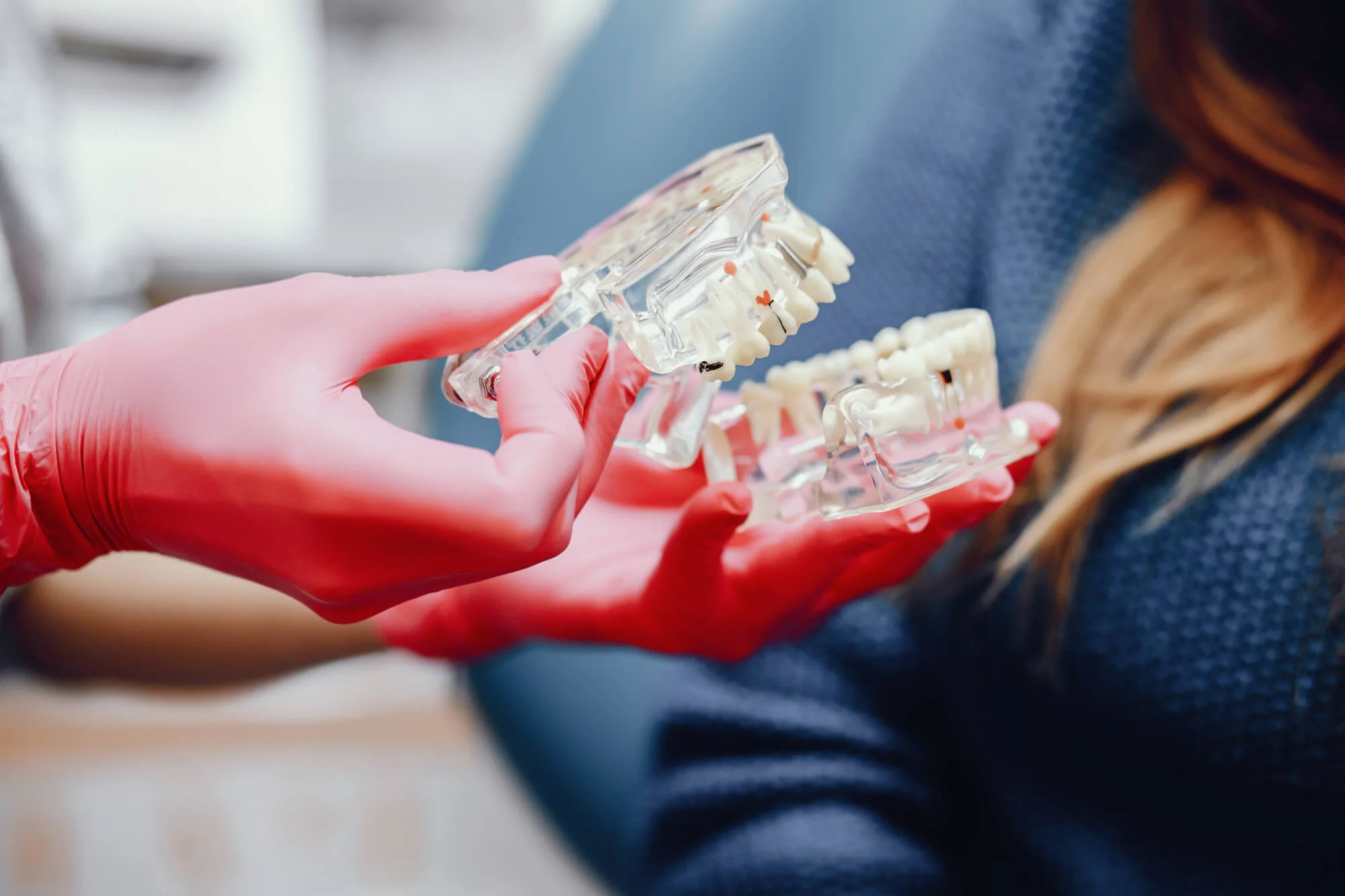
The dental bridge process in our Columbia, SC, office starts with a consultation. Dr. Antley will examine your teeth and gums, review any needed digital X-rays, and talk with you about your bite and goals. If a bridge is the right plan, she’ll map out the steps and review expected timing and costs.
Next comes tooth preparation, if your bridge will be supported by natural teeth. The supporting teeth are carefully shaped so crowns can fit comfortably. Then we take precise impressions (or digital scans) to make sure your bridge fits your bite and looks natural. In most cases, you will receive a temporary bridge to protect the area while your final bridge is being made.
Schedule a Dental Bridge Consultation Today
Are you ready to take the next step and replace your missing teeth? Contact Carolina Dentistry for dental bridge treatment in Columbia, SC, at (803) 500-4146. Request your appointment with Dr. Antley today and let’s talk about whether a dental bridge is the right fit for your smile.